
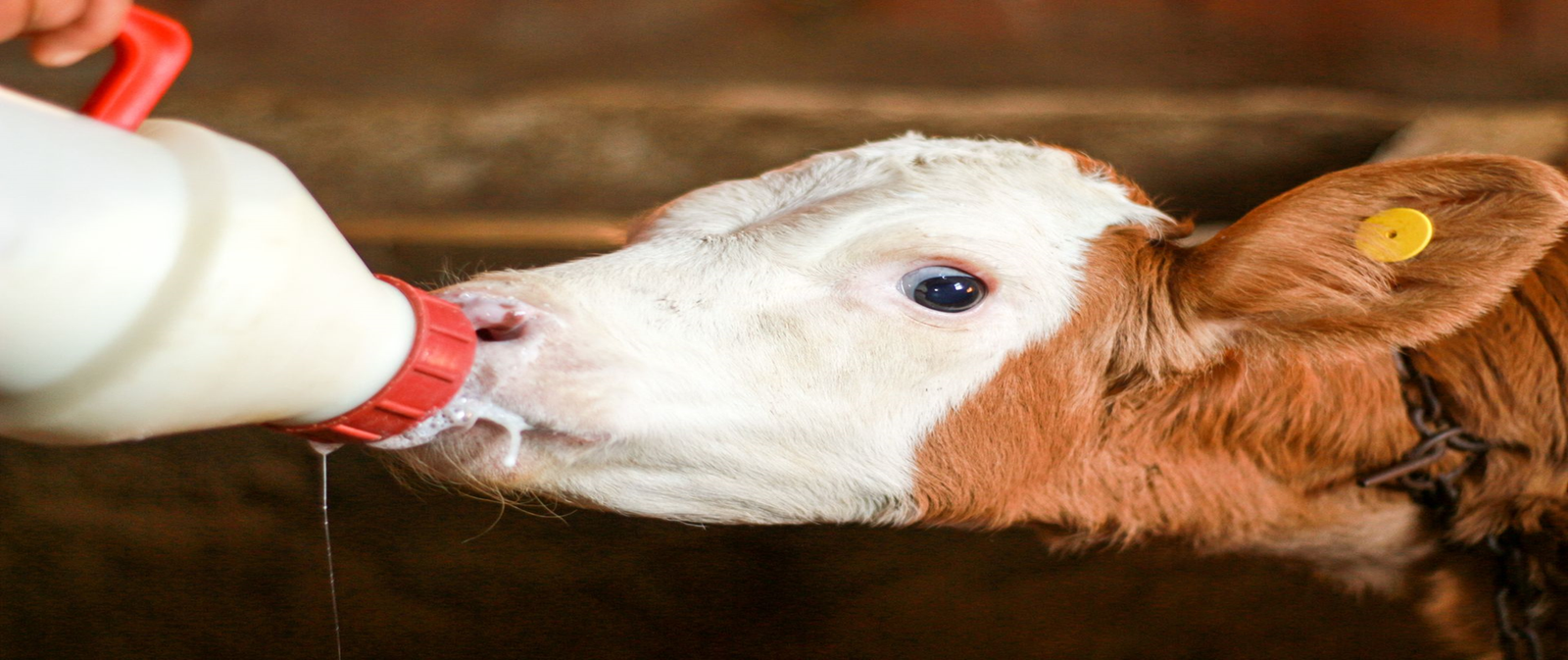
Bottle-Feeding & Socializing Miniature Calves Guide
Bottle feeding miniature calves is one of the single most impactful investments a cattle farmer or homesteader can make in the long-term temperament, handleability, and overall quality of their animals — and at Mini Highland Park in Lancaster, New Hampshire, it is a foundational commitment we make to every single calf born on our farm, without exception.
Table of Contents
ToggleWhy Bottle Feeding Miniature Calves Makes All the Difference
The decision to bottle-feed a calf rather than allow exclusive dam-raising is not made lightly. It requires significant time, consistency, and dedication — especially in the early weeks of a calf’s life. But the rewards are profound and long-lasting.
Bottle-fed calves consistently demonstrate:
- Deeper, more trusting bonds with human handlers
- Calmer responses to routine handling, veterinary care, and milking preparation
- Faster acceptance of halter training and lead rope work
- Reduced stress during transportation and environmental changes
- Greater overall sociability around people of all ages — including children
At Mini Highland Park, every calf that leaves our Lancaster, New Hampshire farm has been bottle-fed from birth. This is not a marketing claim — it is the foundation of everything we do and the primary reason our animals transition so smoothly into their new homes.
The Bottle Feeding Schedule — What the First Weeks Look Like
Consistency is everything when bottle feeding miniature calves. A reliable feeding schedule establishes trust, supports healthy rumen development, and sets the behavioral foundation for a calm, people-friendly adult animal.
A general bottle feeding timeline:
- Days 1 to 3: Colostrum only — either from the dam or a quality colostrum replacer. This is non-negotiable for immune system development.
- Days 4 to 14: Transition to a quality milk replacer formulated for beef or dairy calves. Feed two to three times daily.
- Weeks 2 to 6: Maintain milk replacer twice daily while introducing quality calf starter grain and fresh water alongside each feeding.
- Weeks 6 to 10: Begin the gradual weaning transition by reducing bottle frequency while increasing calf starter and hay access.
- Week 10 to 12: Full weaning — calf is comfortably consuming hay, calf starter, and water independently.
Always warm milk replacer to approximately 100 to 102 degrees Fahrenheit before feeding. Cold milk is a leading cause of digestive upset and scours in young calves.
Halter Training Alongside the Bottle
The bottle feeding period is the single best window for introducing halter training — and the two go hand in hand beautifully. A calf that associates human presence with the comfort and reward of a warm bottle is a calf that is already halfway halter-trained before you ever slip a halter over its head.
Our halter training process at Mini Highland Park begins as early as week two:
- Introduce the halter during or immediately after a bottle feeding session
- Allow the calf to wear the halter loosely for short supervised periods
- Begin applying gentle lead rope pressure in week three — always rewarding forward movement
- Practice daily short sessions of five to ten minutes rather than infrequent long sessions
- Always end each session on a positive, calm note
By the time our calves are ready to go to their new homes, they lead confidently, stand quietly for handling, and accept human touch across their entire body without resistance or fear.
Socialization Beyond the Bottle
Bottle feeding builds the initial bond — but ongoing socialization is what produces a truly exceptional, people-friendly adult animal. Daily interaction during the bottle feeding period should extend well beyond the feeding itself.
Effective socialization practices include:
- Spending quiet time in the calf’s pen without always initiating feeding
- Introducing calm, gentle handling of ears, legs, hooves, and face from the first week
- Exposing calves to normal farm sounds, equipment, and activity from an early age
- Allowing supervised interaction with children and other calm adults
- Maintaining a consistent, low-stress daily routine throughout the raising period
Calves raised with this level of intentional socialization grow into adult animals that are a genuine pleasure to own, handle, and work with every single day.
Common Bottle Feeding Mistakes to Avoid
Even experienced farmers make avoidable mistakes during the bottle feeding period. The most common ones we see include:
- Feeding cold or inconsistently warmed milk replacer
- Skipping feedings or feeding at irregular intervals in the early weeks
- Weaning too abruptly — always taper gradually over two to three weeks
- Neglecting colostrum in the first 24 hours — this window cannot be recovered
- Over-supplementing grain before the rumen is adequately developed
When in doubt, consult your large animal veterinarian for a feeding plan tailored to your specific calf’s breed, weight, and health status.
The Mini Highland Park Difference
Every Mini Highland, Highpark, and Highland Jersey calf that leaves our Lancaster, New Hampshire farm has been bottle-fed, halter-broken, and socialized with intention and care from its very first days. We do not cut corners on this process because we understand that the temperament of the animal you receive is a direct reflection of the time and love invested in it from birth.
Browse our available calves at Mini Highland Park and contact us today to reserve an animal that is already well on its way to becoming your most trusted and beloved farm companion.
Hi, this is a comment.
To get started with moderating, editing, and deleting comments, please visit the Comments screen in the dashboard.
Commenter avatars come from Gravatar.